
 Some psychologist services
If you are undergoing treatment and plan to make adjustments, get a provisional invoice from your doctor and send it to your insurance so that you know exactly what treatment your insurance will cover and how much you will have to pay yourself.
Some examinations/services during pregnancy, which are optional, are not covered by insurance. For example, a photo of a baby on ultrasound in the womb. Also, pregnant women are not covered for first trimester screening.
Vaccinations that are not considered essential.
Basically, these are cases when people go on vacation, and they would like (without justified medical confirmation) to receive one or another vaccination.
If a person goes on a business trip, the necessary vaccinations are paid by the employer.
performing abortions, if they do not have a medical justification, they are not covered by insurance. An exception is violence that results in a woman becoming pregnant.
Contraceptive medicines taken over by insurance only up to the age of 20 years.
Only if a woman cannot become pregnant due to her health and she is “obliged” to take contraceptives, they will be paid by insurance. Everything else must be paid for by yourself.

Dental prosthetics
At the moment, insurance pays no more than 60% of basic services. These are the simplest crowns, bridges and removable dentures. If you want more, the insurance will still pay only 60% of the basic services. Those. The difference must be paid out of your own pocket. If there is a bonus heft (see below), then this percentage rises to 70% at 5 years and 75% at 10 years. The main thing is not to miss visits and visit the doctor at least once a year.
Bonusheft is a bonus book in which the date of the dental examination is entered.
If the book is full, you will receive a new one. Keep the old one safe so you can show it when you need it.
Mandatory visits for bonusheft:
- For children from the age of twelve - one examination per calendar half-year.
- For adults, at least one visit per calendar year. This also applies when you wear a total prosthesis.
When you visit a doctor, you receive a seal in your bonushead. Ask your doctor about bonusheft.
General anesthesia in dentistry
Only in case of medical necessity, upon the conclusion of a doctor, anesthesia is fully taken over by the insurance. In all other cases, you are covered for treatment, but not for full anesthesia. Basic anesthesia (injections, usually lidocaine or similar)
Certificates from doctors for certain institutions - for example, kindergartens, schools, sports clubs. For such a certificate, you pay an average of 15-50 euros.
Points
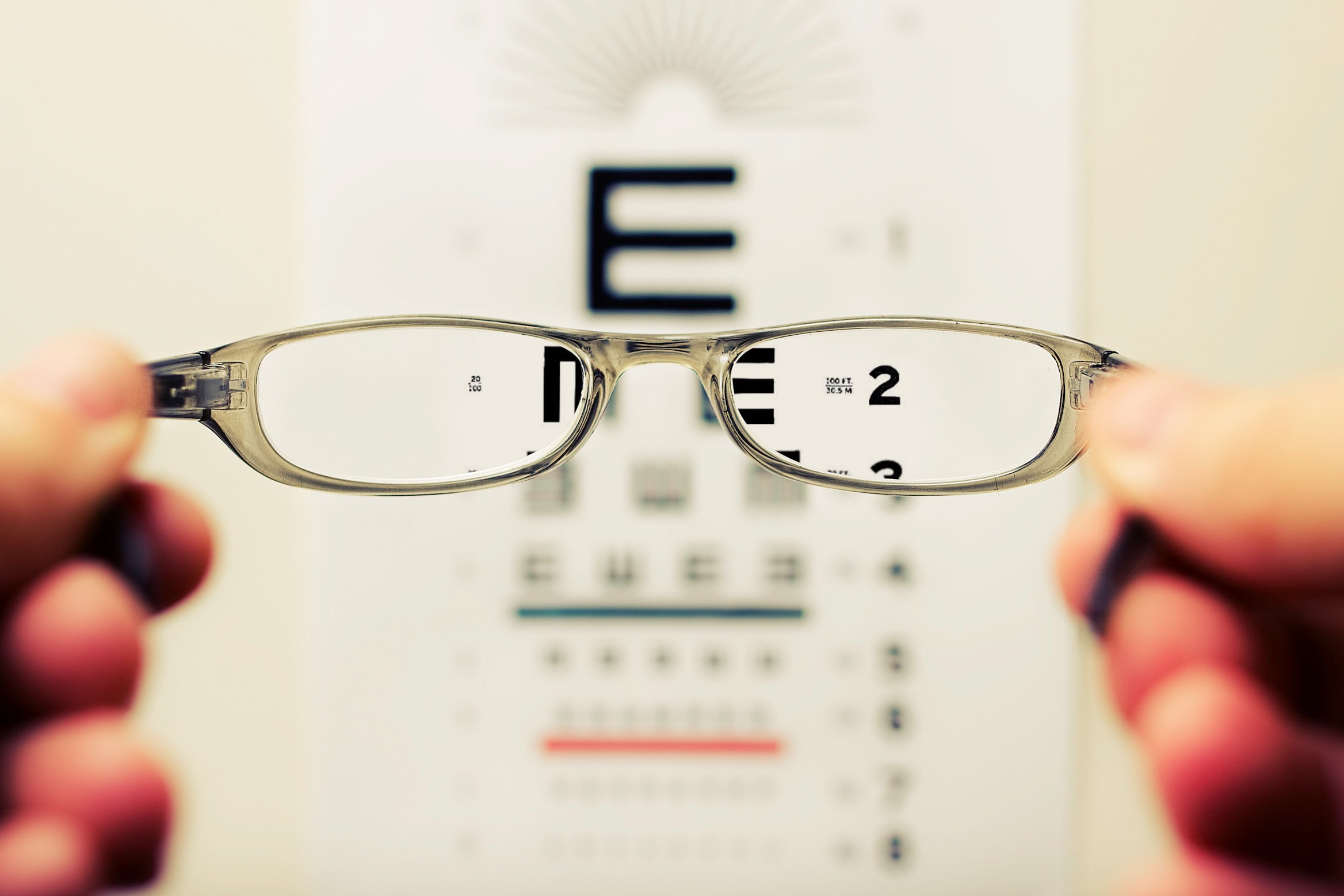
Honey. insurance pays a certain amount for the purchase of glasses for children. If your points exceed the allowable amount, then you pay the remaining amount yourself. Adults pay 100% themselves.
Alternative Therapies and Natural Remediesif you choose to be treated by an unregistered doctor. Magnetic therapy, as well as almost all types of acupuncture, are not covered by insurance.
Plastic surgery
Special professional cleaning of teeth and certain fillings (photopolymer) not covered by honey. insurance.
An exception is the treatment of periodontal disease. Your doctor will tell you.
But for pregnant and lactating mothers, the photopolymer is paid by insurance.
Travel to doctors and hospitals
In an emergency, you can go to the hospital/doctor by taxi. In such a situation, you need to take a check from the taxi driver and send it to the insurance company. It is possible that the expenses will be reimbursed, perhaps not, because in such cases it was possible to call a kranken transport (transportation of patients) by number 19 222 (required with city prefix 0711 according to Stuttgart). For long-term treatments (chemotherapy, radiation therapy, dialysis) you will be given a taxi voucher for the period of treatment that you will use to travel to the procedures. When you leave the hospital, you also receive a taxi voucher.
Additional payment for the purchase of certain medicines
Pink prescription drugs (marked gebührenfrei) are free and fully covered by insurance.
You pay only 5–10 euros for each drug (Zuzahlung). Drugs without proven effectiveness (dietary supplements or self-prescribed vitamins) are not covered by insurance.
Inpatient treatment in a room of the best category
Initially, the insurance includes accommodation in a triple room. In some departments, only double rooms are provided, in which case this is also paid by insurance, but if you want a single / double room because “because” or “the neighbors snore” or you want a two-by-two meter TV, then you pay this difference from your own pocket . Rates can be obtained from the hospital. Often they are listed on the pages of clinics, and you can decide in advance whether you want to go to such a room. For scheduled stays in some hospitals, you may be able to “check in” for a room a couple of days before you are admitted to the hospital.
After discharge from the hospital, you will soon receive an invoice for "stay" (Zuzahlung) - this is 10 euros per day, for a maximum of 28 days. That is, if you were in the hospital for 6 weeks, then the bill will come only for 28 days.
The insurance does not cover aesthetic services, lifestyle treatments and “I want this”.
Lifestyle procedures include, for example, laser vision correction, because vision can be perfectly corrected with lenses or glasses without loss of quality of life, and laser correction only changes your “lifestyle”. Also, if the doctor does not see the need for, for example, an MRI, then the insurance company will not pay for it simply because you think that it could be done.